One tab can bend your sense of time so hard that ten minutes feels cosmic and six hours feels unfinished. That is why one of the first real questions people ask is simple – how long does LSD last? If you are planning a full session, a reflective solo journey, or even just trying to avoid being caught off guard, the answer matters more than most first-timers expect.
LSD is not a quick in-and-out experience. It asks for your day, and sometimes a good slice of your night as well. The main effects usually last around 8 to 12 hours, but that headline figure only tells part of the story. The full arc depends on dose, your body, your mindset, what you have eaten, and whether you are taking blotter, liquid, gummies, or another format.
How long does LSD last in real terms?
For most people, LSD starts to come on within 30 to 90 minutes. The strongest part of the experience often lands around the 2 to 5 hour mark. After that, the intensity usually eases, but you can still feel stimulated, emotionally open, visually altered, or mentally active for several more hours.
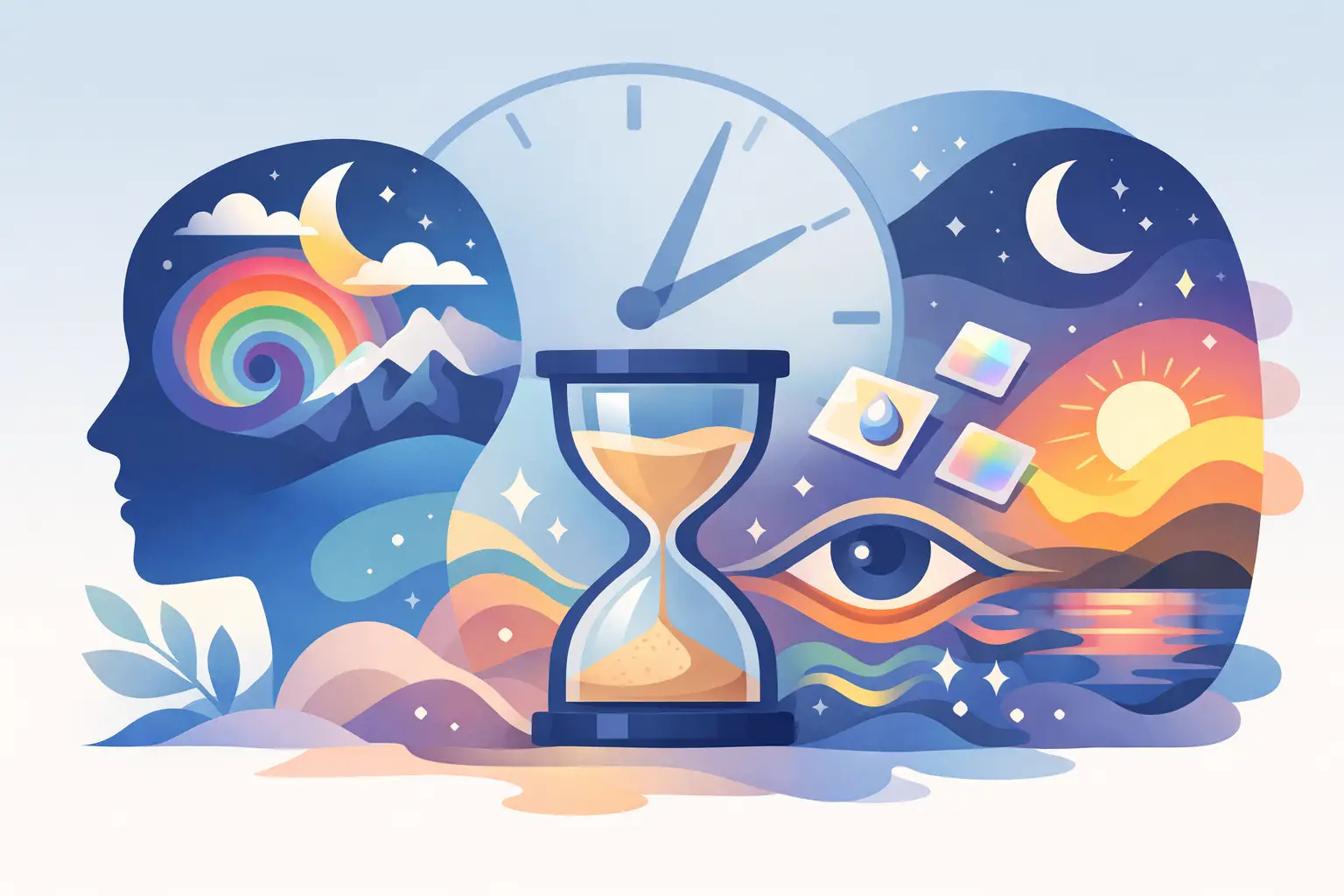
A realistic timeline looks like this. The onset tends to begin in the first hour or so. The peak often carries through the next three to five hours. The comedown may stretch the total experience to 8 to 12 hours. Residual stimulation, difficulty sleeping, and that slightly electric afterglow can linger beyond that, sometimes up to 14 hours after dosing.
That is the part many people underestimate. Even when the trip feels mostly over, your system may not be ready for sleep, social demands, or normal decision-making. If you dose late in the day, you are often borrowing from your night.
What changes the LSD duration?
The clean answer is that dose changes everything. A light dose can feel manageable and shorter, while a heavier dose can seem to stretch into a much longer and more immersive journey. Higher doses often mean a more dramatic peak, stronger visuals, deeper ego disruption, and a slower return to baseline.
Your body chemistry also plays a part. Metabolism, sensitivity to psychedelics, recent food intake, sleep, stress, and prior experience all influence how long the effects feel present. Two people can take the same amount and report completely different timelines.
Tolerance matters too. LSD tolerance builds quickly. If someone has taken LSD recently, the effects may feel blunted, shorter, or less emotionally vivid. That does not always make the experience easier. Sometimes it just makes it stranger and less predictable.
Format can shift perception, though not always dramatically. Blotter tabs, liquid drops, and infused sweets can all produce a similar duration if the dose is equal. What changes more often is the exact onset. Some people feel liquid slightly faster. Others notice no real difference at all.
The stages of an LSD trip
Onset
This is where anticipation can play tricks. You may start noticing subtle visual sharpening, body energy, a fluttery stomach, rising alertness, or a shift in mood. Some people feel euphoric. Others feel edgy before the experience opens up.
This phase can last longer than expected, especially if you have eaten recently. A common mistake is assuming nothing is happening and taking more too soon. That is how a planned mellow evening turns into a full-force launch.
Peak
The peak is the heart of the experience. Colours may intensify, patterns may breathe, music can feel huge, and thoughts may move in powerful, unusual directions. Emotional material can rise quickly. Joy, awe, vulnerability, clarity, fear, tenderness – it can all come forward.
Time distortion is strong here. Asking how long does LSD last during the peak can feel almost absurd, because clock time no longer behaves in a normal way. This is usually the most immersive section and the one that deserves the most care with setting, company, and intention.
Comedown
The comedown is not always gentle, but it is usually less intense than the peak. Visuals soften. Thoughts become easier to track. The body may still feel wired, and the mind may still be wide open. Many people feel reflective, tender, or mentally spent at this stage.
This phase can last hours. You may be functional enough to talk, eat, or move around, but not fully ready to jump back into ordinary life. Quiet surroundings help. So does accepting that the experience ends gradually, not all at once.
How long do the after-effects last?
Even after the obvious trip has faded, LSD can leave a tail. Sleep may be difficult on the same night, especially after a moderate or strong dose. Your mind may still feel bright, activated, or emotionally porous. Some people wake the next day feeling refreshed and full of perspective. Others feel wrung out and in need of proper rest.
There can also be a psychological afterglow. That might look like elevated mood, renewed curiosity, a sense of emotional release, or a stronger connection to your inner life. For some, that is the real value – not just the trip itself, but what remains once the noise clears.
Still, it depends. If the set or setting was off, or the dose was too ambitious, the aftermath can feel raw rather than luminous. Integration matters. A powerful night means little if you rush straight back into distraction.
How long does LSD last compared with other psychedelics?
LSD has a reputation for stamina, and it earns it. Compared with psilocybin mushrooms, LSD usually lasts longer. A mushroom journey often sits closer to 4 to 6 hours for the main effects, while LSD more commonly stretches to 8 to 12. DMT is far shorter and far more compressed. Mescaline can also be long, sometimes very long, but the feel is different.
That makes LSD a commitment. For some psychonauts, that long runway is the point. It allows for layers, emotional depth, and a real sense of travelling through the self. For others, it is too much of an all-day demand. The right compound depends on what kind of opening you are actually seeking.
Planning around the timeline
If you are choosing LSD, plan like you mean it. Do not treat it like a casual add-on to an already busy day. Clear your schedule. Start early if you want any chance of sleeping at a reasonable hour. Make sure your environment feels safe, warm, and intentional.
This is not just about comfort. It is about protecting the journey. The strongest experiences often come when there is enough room to surrender without clock-watching, hiding, or forcing normal behaviour before your system is ready.
Hydration, light food, a trusted sitter if needed, and a calm landing space all make a difference. So does your reason for taking it. The Journey Within is rarely served by chaos, rushed planning, or bravado.
Why the answer is never just a number
People want certainty. They want a neat line – take it at this time, finish by that time, return to normal by bedtime. LSD does not always respect that kind of schedule. It is chemistry meeting consciousness, and that means the same dose can feel sacred, ecstatic, challenging, or simply long.
That is why the smarter answer to how long does LSD last is this: expect 8 to 12 hours for the core experience, allow longer for sleep and recovery, and give the whole day the respect it deserves. If you are approaching psychedelics as a tool for expansion, healing, or radical perspective shift, timing is not a small detail. It shapes the entire container.
For those who move with intention, the length is not just duration. It is space – space to unravel, space to feel, space to return with something real. If you are going in, give yourself enough room for the experience to speak.